





How to Fix Sweet Pea Bud Drop: Causes, Solutions, and Prevention Tips
Understanding Sweet Pea Bud Drop: Causes and Cures for Environmental Stress
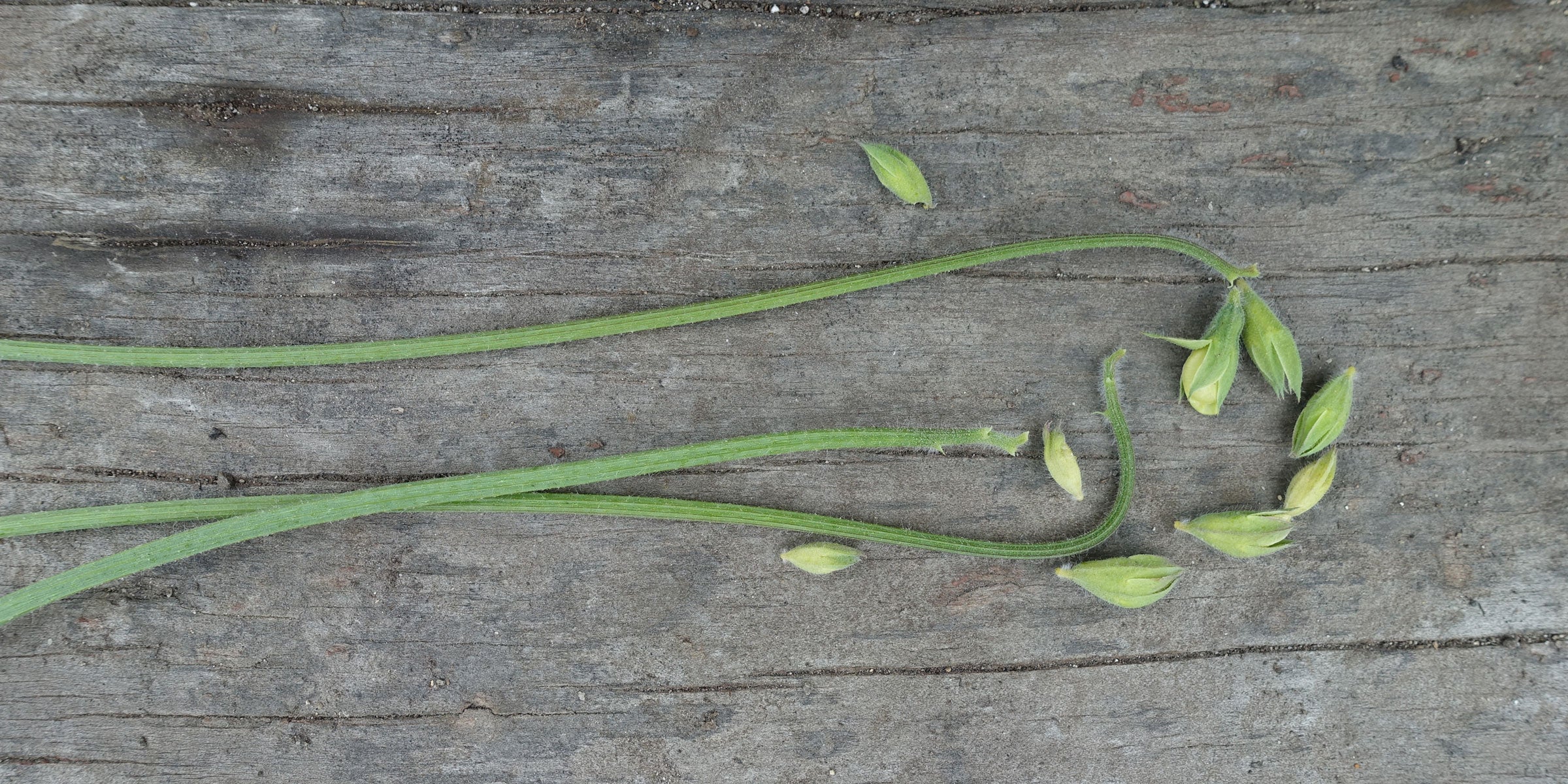
It's so exciting to see buds emerging on your sweet peas! You check them regularly for progress looking forward to the flowers and then suddenly - nothing! All the buds are gone and all you can see is an empty stem. If this has happened to you, then read on.

Don't be too sad, because this is a problem that usually goes away all on its own and is likely caused by fluctuations with the temperature of your environment. It is not caused by disease. Individual buds on the stem will fail to develop fully, they will then start to turn yellow and then drop off before they fully develop.
This perplexing problem is simply known as bud drop - there isn't any fancy name for it!
Buds will not re-grow on your now bare and empty stems, so you can just cut them off. Once temperatures start to even out, sweet pea bud drop will usually stop and the flowers will grow from other new stems.
Other factors that may contribute to bud drop are low light levels, too much nitrogen in the soil, drying winds and drought.
One of the most frustrating experiences for any sweet pea grower is watching a seemingly healthy, vigorous vine suddenly shed its unopened flower buds. While it can be alarming, this phenomenon—commonly known as "bud drop"—is not caused by an infectious disease or pest. Instead, it is a physiological response to environmental stress, weather fluctuations, or cultural missteps.
Common Causes of Bud Drop
Lack of Sunlight and Weather Shifts
A primary trigger for bud drop is prolonged dull, cloudy weather, especially when the plants are in a phase of rapid, soft growth. Abrupt transitions from warm, bright conditions to dark, gloomy weather—or sudden drops in temperature during cold nights—can easily shock the vines into dropping their buds.
Improper Watering and Poor Drainage
Sweet peas require consistent moisture, but erratic watering or overly saturated, waterlogged soil will quickly stress the plant. This is frequently seen during heavy spring rains if the garden bed lacks proper drainage.
Overfeeding
While sweet peas thrive in rich soil, supplying them with excessive amounts of fertilizer—particularly highly nitrogenous mixtures—will cause the plant to prioritize leafy growth and abort its blossoms.
Loose Soil
Sweet peas demand a very firm rooting foundation to produce strong stems and hold their flowers. If the soil around the base of the plant is left too loose, the buds will often detach.
Ethylene Pollution
Sweet peas are extraordinarily sensitive to trace amounts of ethylene gas. Environmental pollution from nearby automobile exhaust or bonfire smoke can directly induce bud drop.
Practical Cures and Prevention
Wait for the Sun
Because bud drop is heavily tied to weather conditions, the problem will frequently resolve itself without intervention as soon as stable temperatures and bright sunshine return.
Firm the Bed and Manage Moisture
Ensure your planting site has excellent drainage. If the earth around your vines feels too loose, thoroughly tread or tamp it down to secure the roots.
Adjust Your Fertilizer
If you suspect that overfeeding is the culprit, you can help counteract the excess nutrients by watering the plants with lime water for about a week. Applying a mixture of phosphoric acid and sulfate of potash along the row has also been shown to successfully halt bud drop within a week.
Greenhouse Management
For indoor growers, managing the climate during dark, sunless days is critical. To prevent the vines from growing too soft and shedding buds, drop the temperature slightly and ensure the ventilators remain open to promote harder, sturdier plant growth.

Leave a comment
This site is protected by hCaptcha and the hCaptcha Privacy Policy and Terms of Service apply.