Quick Facts
- Botanical Name: Lathyrus x hammettii
- Classification: Spencer / Shifter
- Petal Pattern: Solid transitioning color (Shifter)
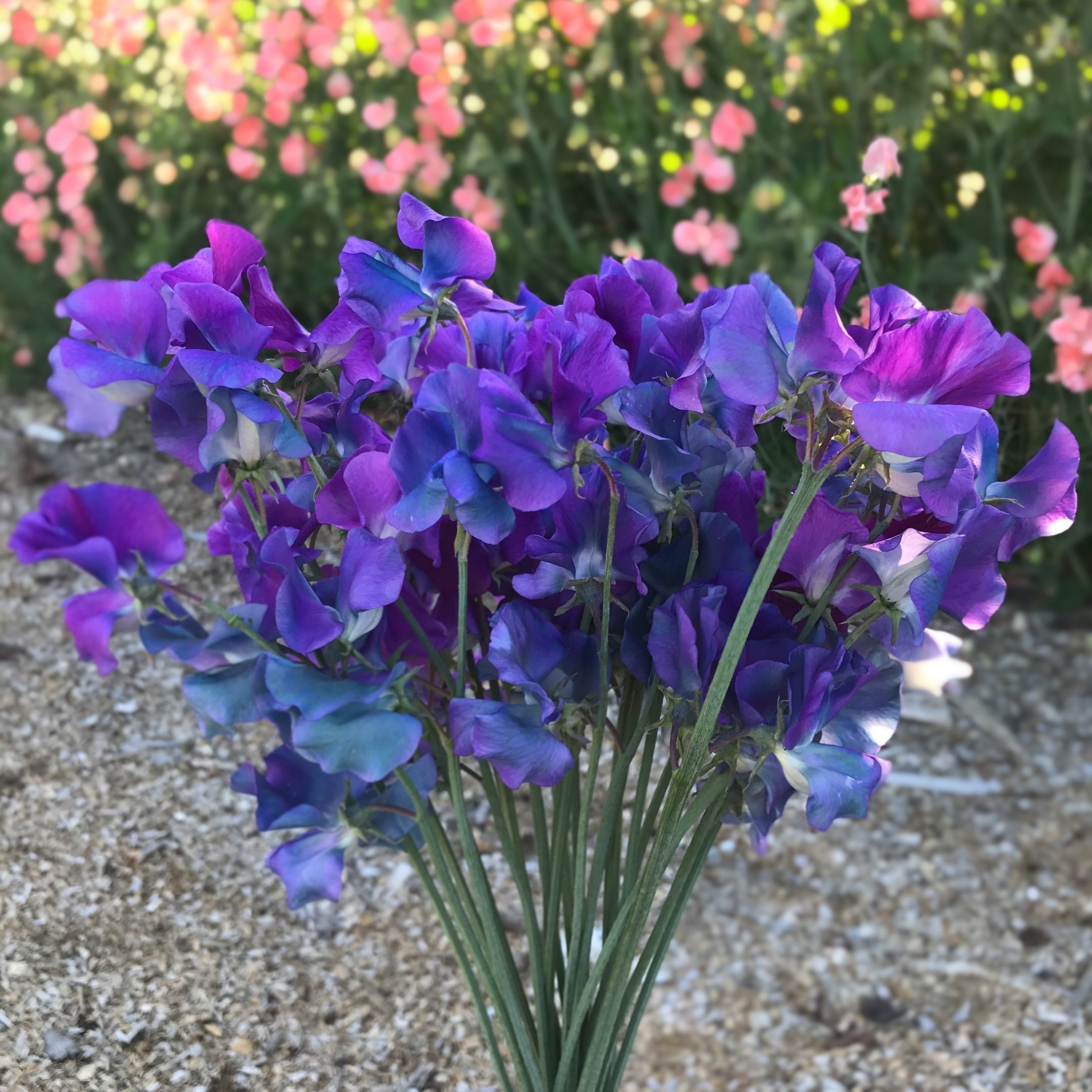
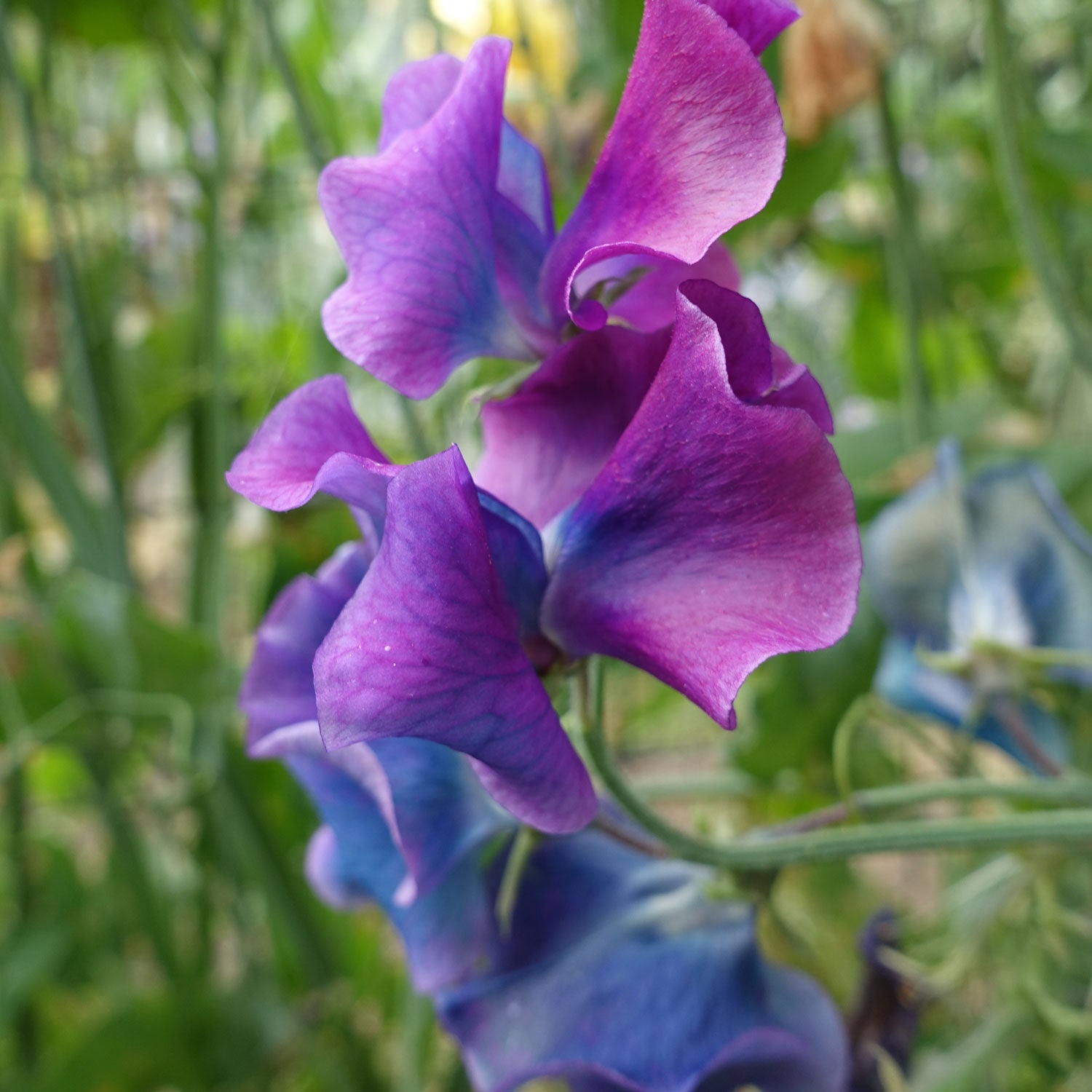
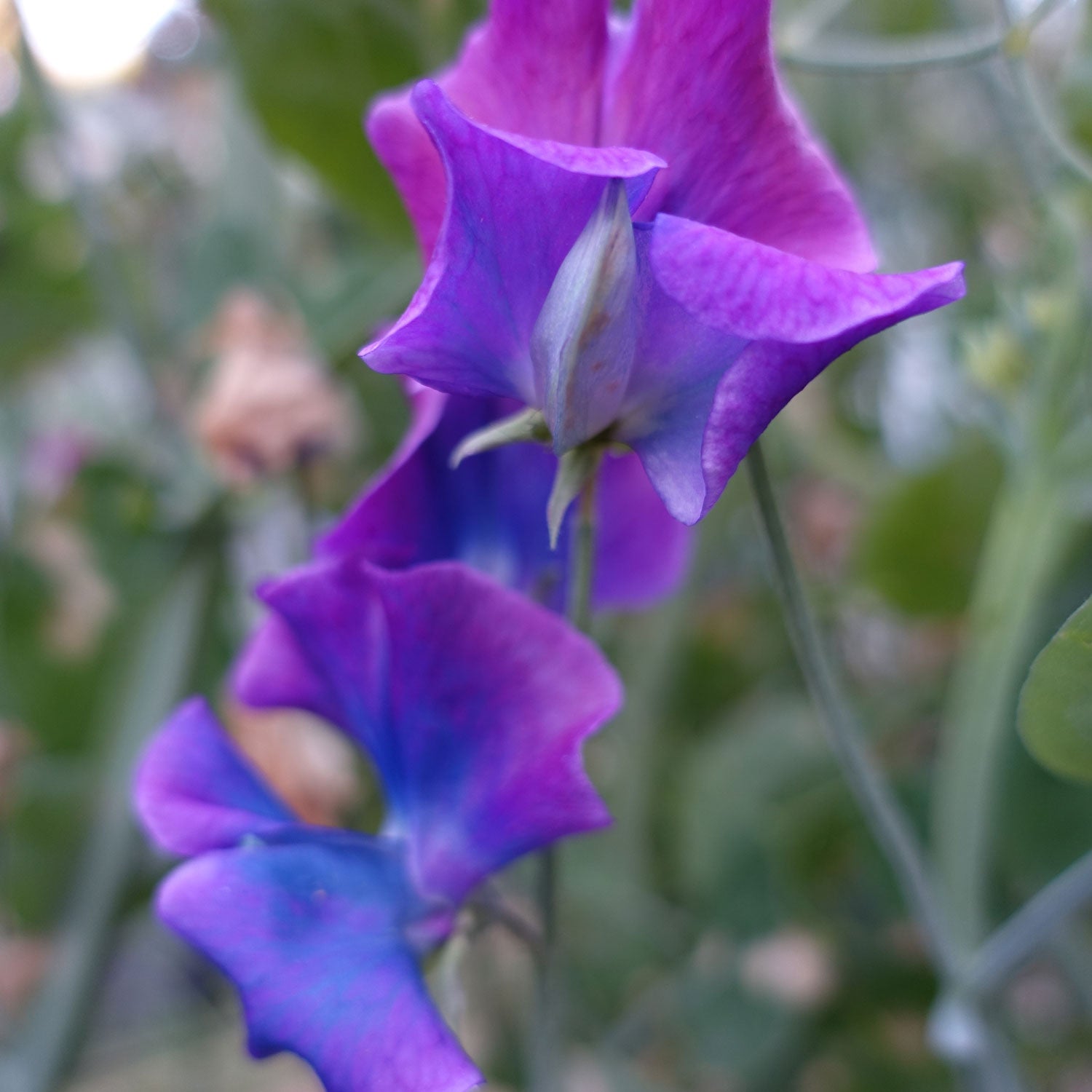
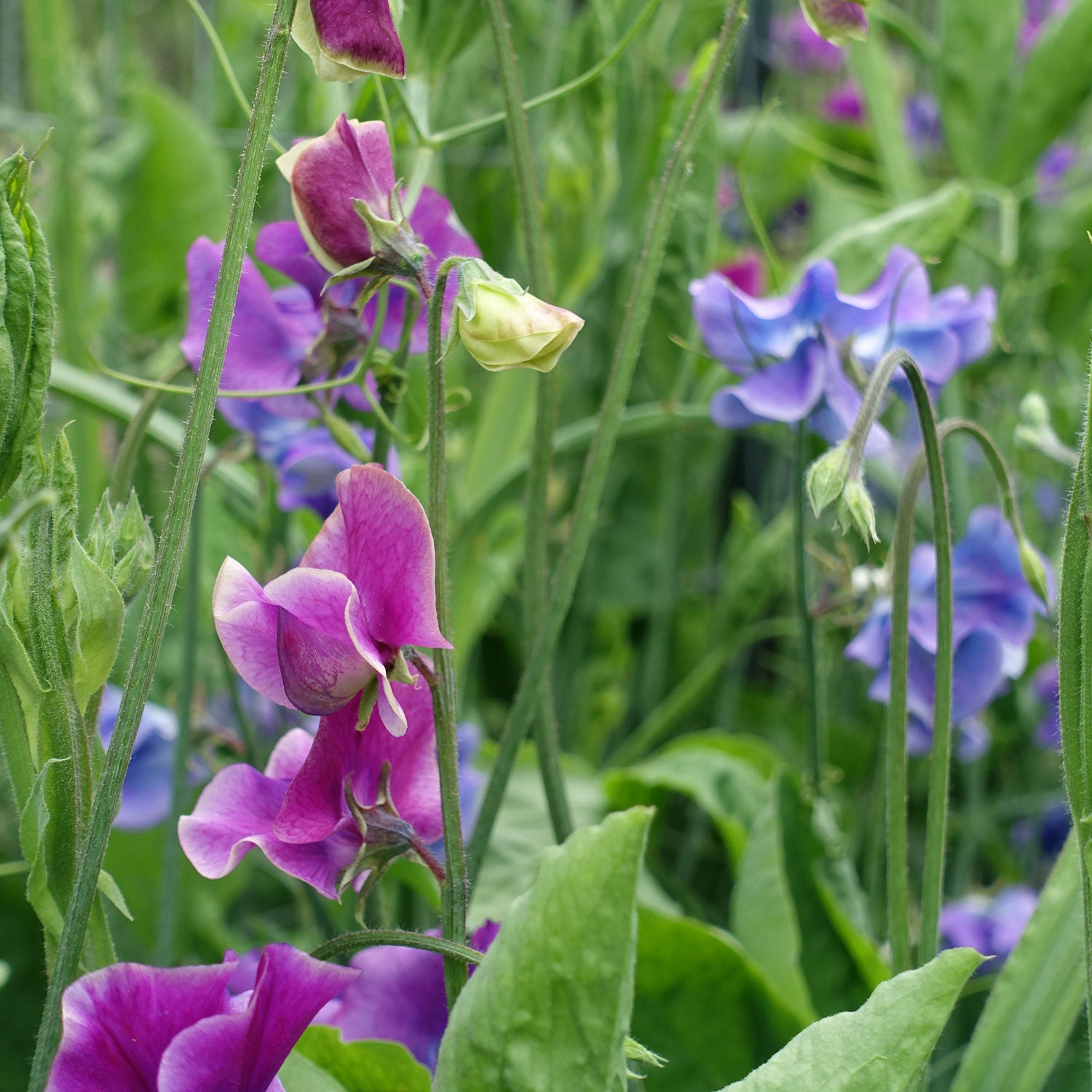
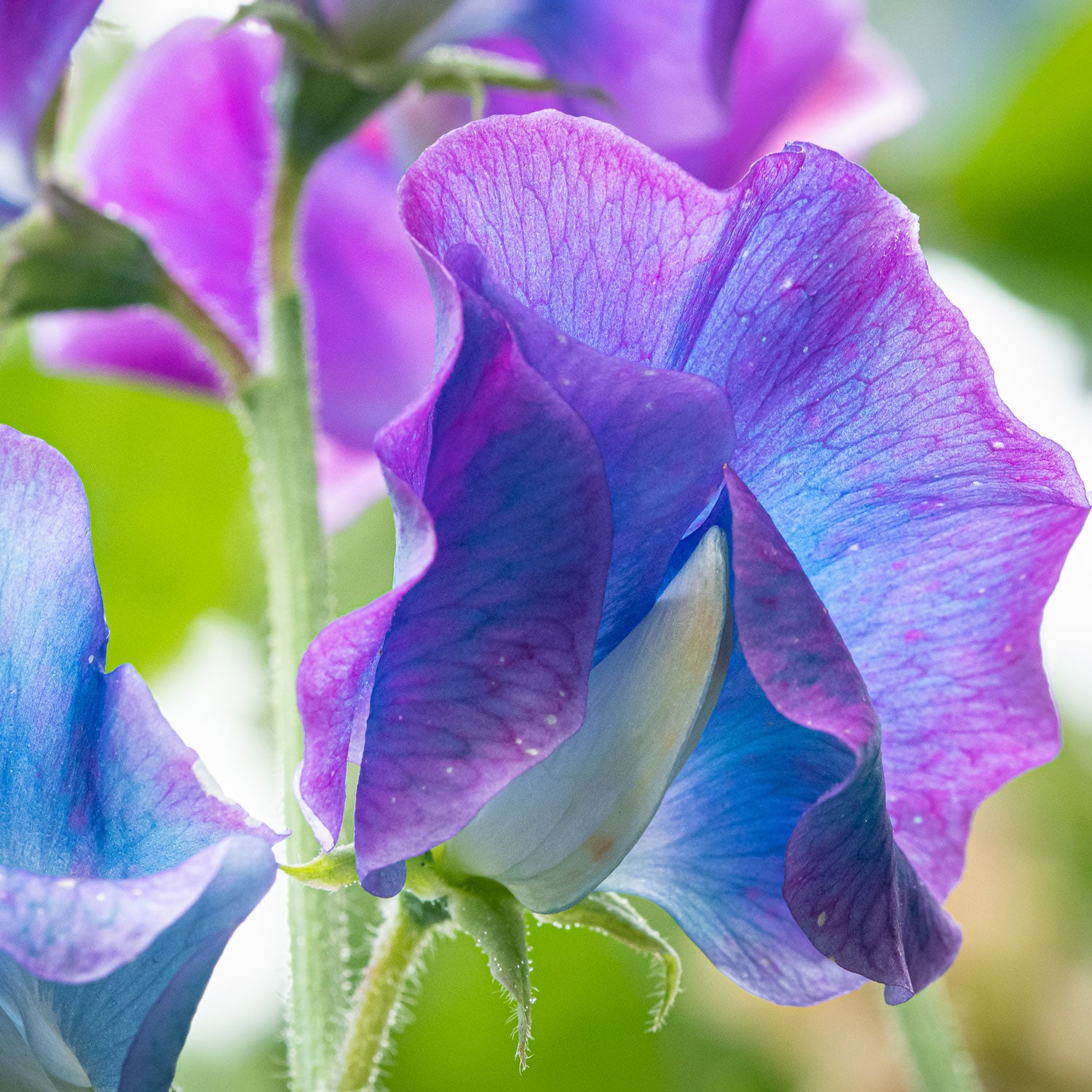
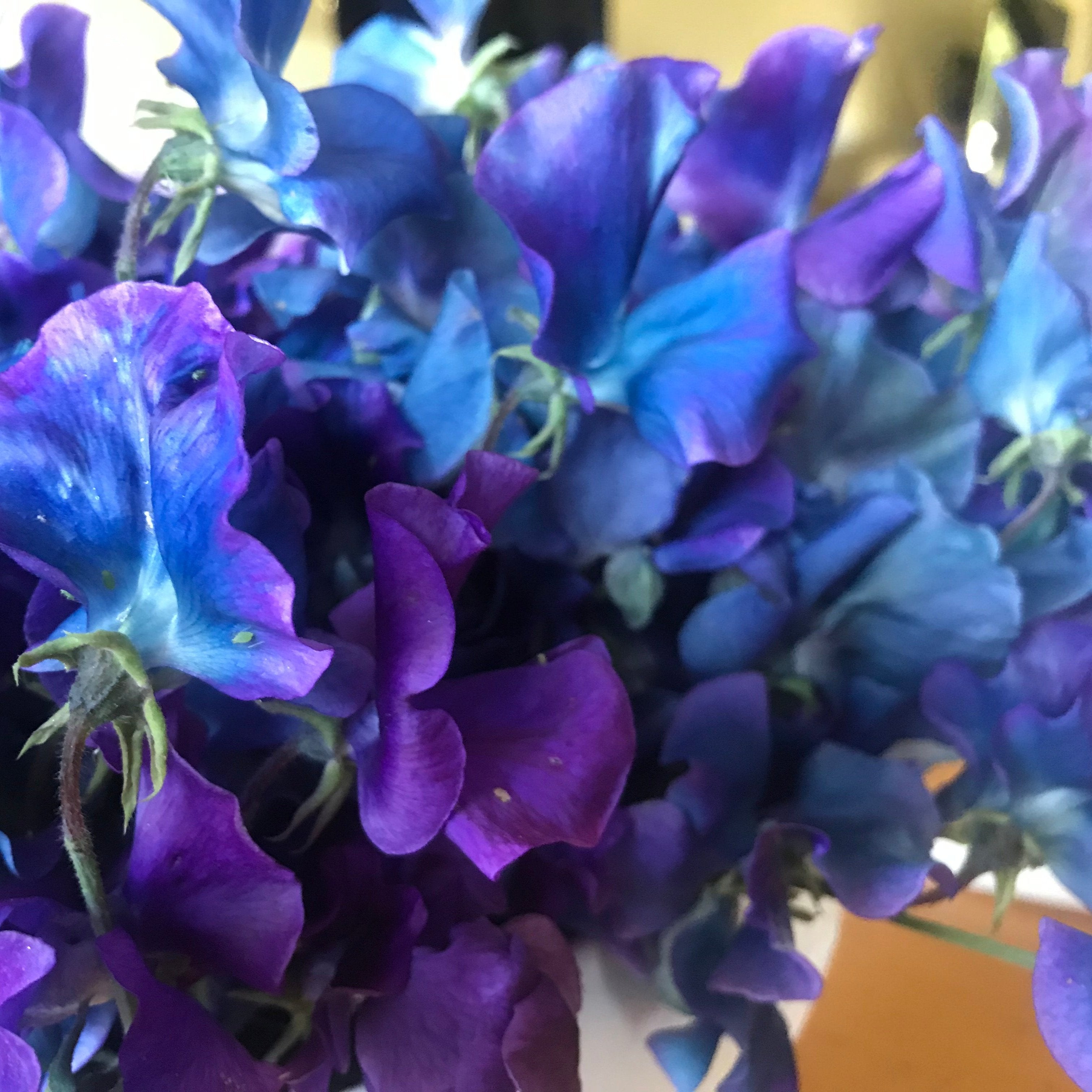
- Color Profile: Opens cerise or pinkish-mauve, transitioning through violet into a bright cobalt blue
- Fragrance: Mild to moderate
- Breeder: Dr. Keith Hammett
- Year Introduced: 2012/2013
- Flowering Type: Summer-flowering (Long-day)
Overview
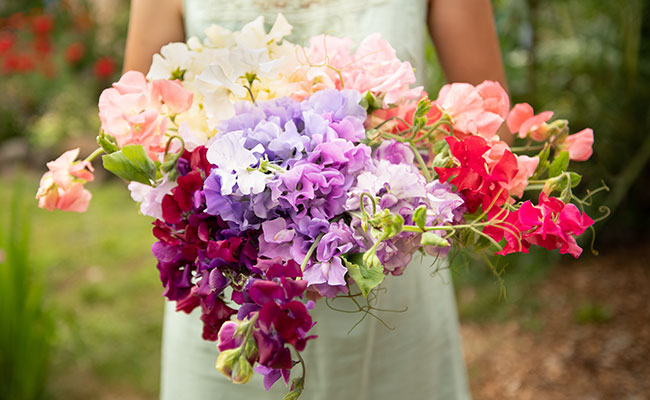
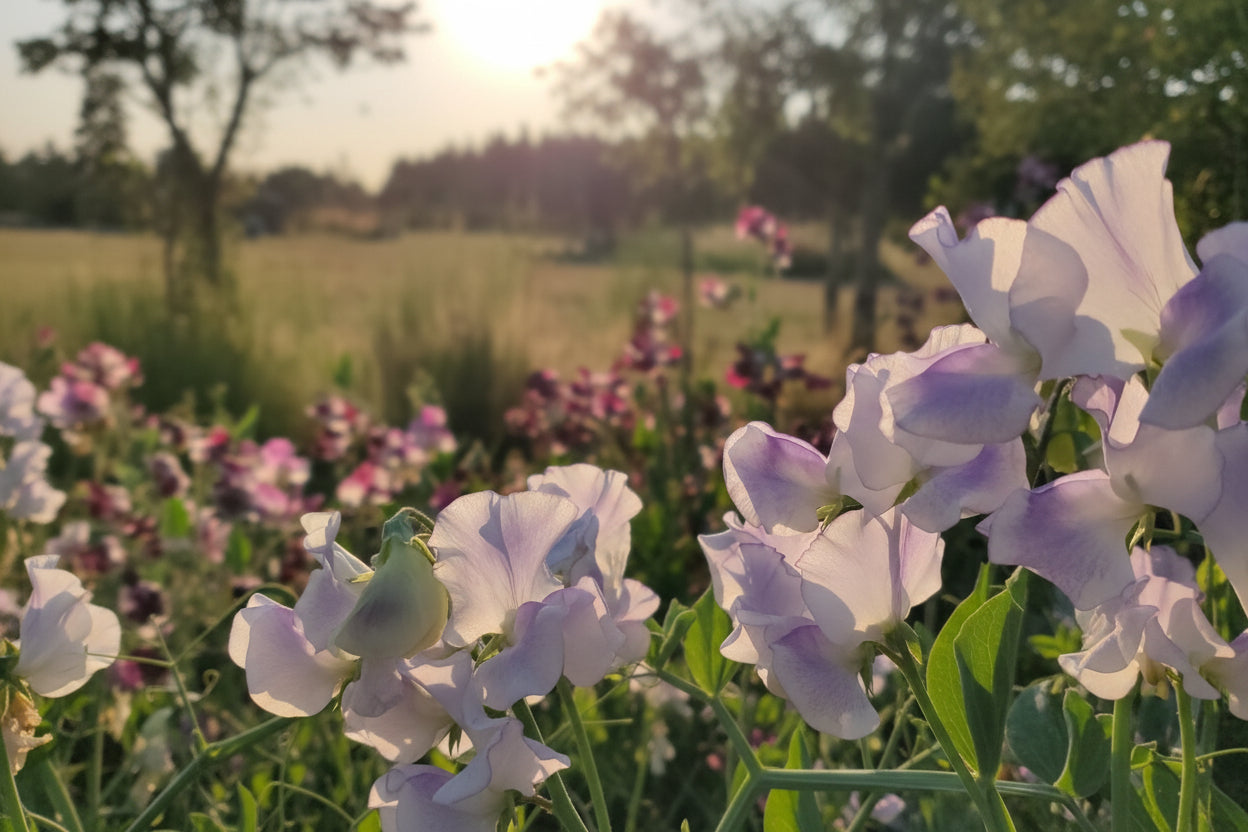
Introduced to the floral world by New Zealand’s legendary plant breeder Dr. Keith Hammett, 'Blue Shift' represents a truly innovative breakthrough in sweet pea genetics. Earning the new classification of a "shifter," this extraordinary flower does not simply fade as it ages; instead, it dynamically transforms its coloration. The large, beautifully pleated blossoms open in shades of cerise or pinkish-mauve, and gradually transition through deep violet until they reach a striking cobalt blue finish. This captivating, multi-toned effect makes it an exceptional, statement-making choice for dramatic floral arrangements.
Growth Habit
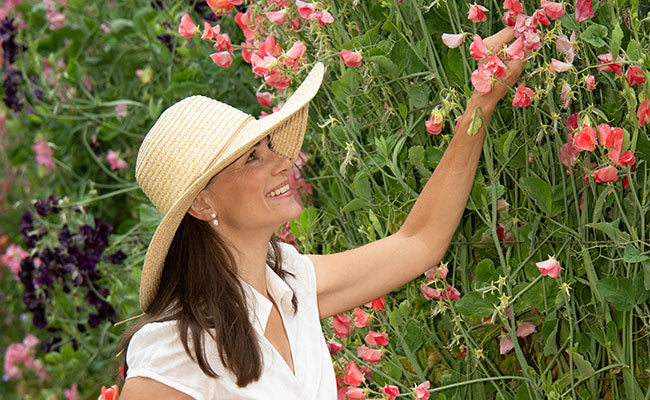
Botanically classified within the Lathyrus x hammettii group, this energetic Spencer-type vine exhibits a tall, highly vigorous climbing nature that will produce long, rampant growth throughout the season. It requires substantial vertical support to accommodate its height. As a classic summer-flowering variety, it depends heavily on the extended daylight hours of the season—typically twelve hours or more—to successfully trigger its prolific blooming phase.
Cultivation Notes
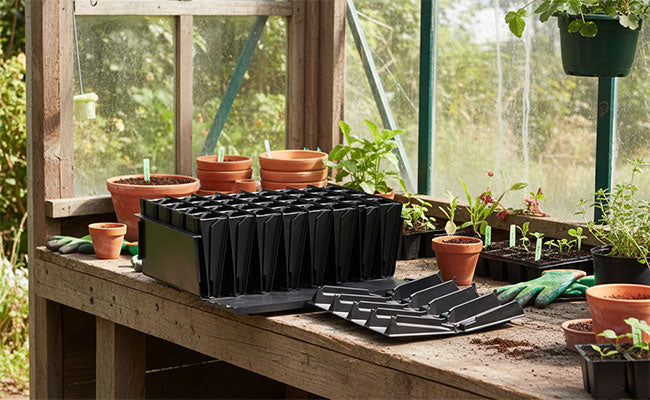
To promote the deepest and healthiest root systems, it is highly recommended to start seeds in tall, narrow pots rather than shallow seed flats. Once the young seedlings reach approximately four to six inches in height, carefully pinch out the central growing tip. This crucial pruning step forces the plant to send out robust lateral branches from its base, ultimately creating a much sturdier and higher-yielding vine. Because sweet pea seeds are toxic if consumed, always exercise caution when planting around children and animals. Because planting schedules depend entirely on your specific climate, remember to utilize our Custom Zip-Code Planting Tool to determine the absolute best week to sow your seeds.
Historical Notes
The creation of 'Blue Shift' (which has also been historically associated with the synonym 'Still Waters') emerged from Dr. Hammett's ambitious, long-term quest to breed a true yellow sweet pea. By successfully crossing the traditional Lathyrus odoratus with the wild Lathyrus belinensis, he created an entirely new class of sweet peas. While the yellow hue remained elusive, this specific cross successfully unlocked a novel genetic trait allowing the flower petals to shift colors over time, leading to the botanical designation Lathyrus x hammettii in honor of his groundbreaking work.
In the Garden
‘Blue Shift’ is frequently grown for:
- Adding dynamic, color-changing visual interest to tall garden walls and trellises
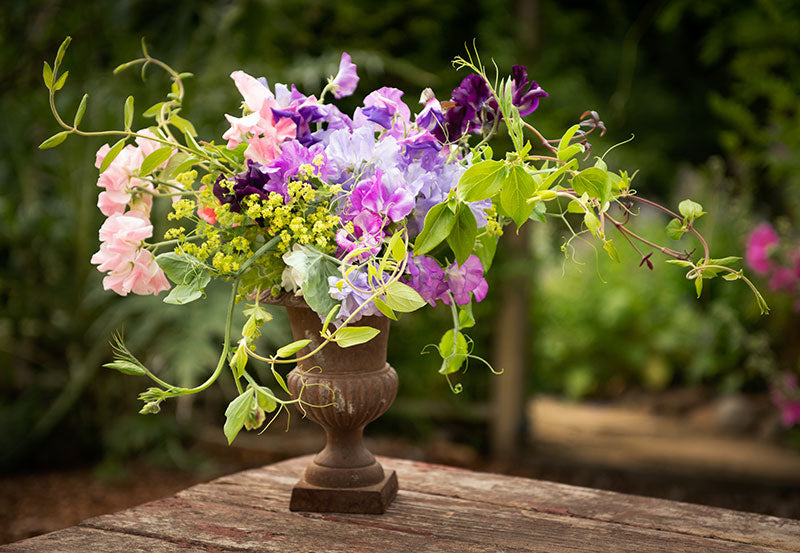
- Providing spectacular, multi-toned focal points in dramatic floral work
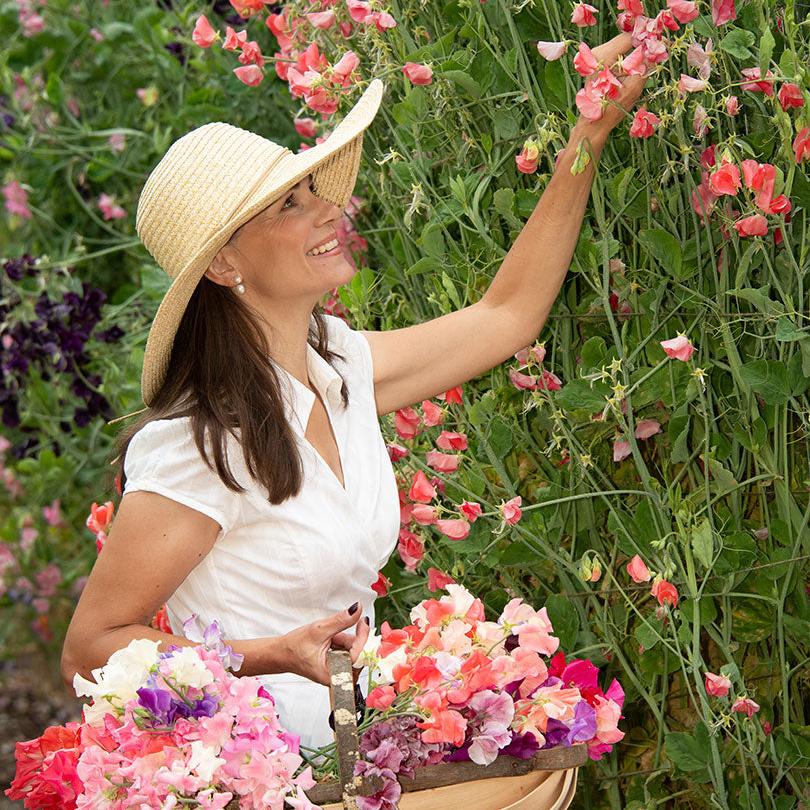
- Supplying large, pleated Spencer-type blooms on long stems for cutting
Companion Planting Notes
To emphasize its breathtaking cerise-to-blue transition, pair this cultivar with crisp white or dark, moody purple sweet peas. In mixed floral designs, its shifting blue tones harmonize beautifully with airy, structural fillers like the architectural spheres of the blue globe thistle (Echinops bannaticus) or the delicate, lacy heads of wild carrot (Daucus carota).