Quick Facts
- Botanical Name: Lathyrus odoratus
- Classification: Spencer
- Petal Pattern: Solid / Self-color
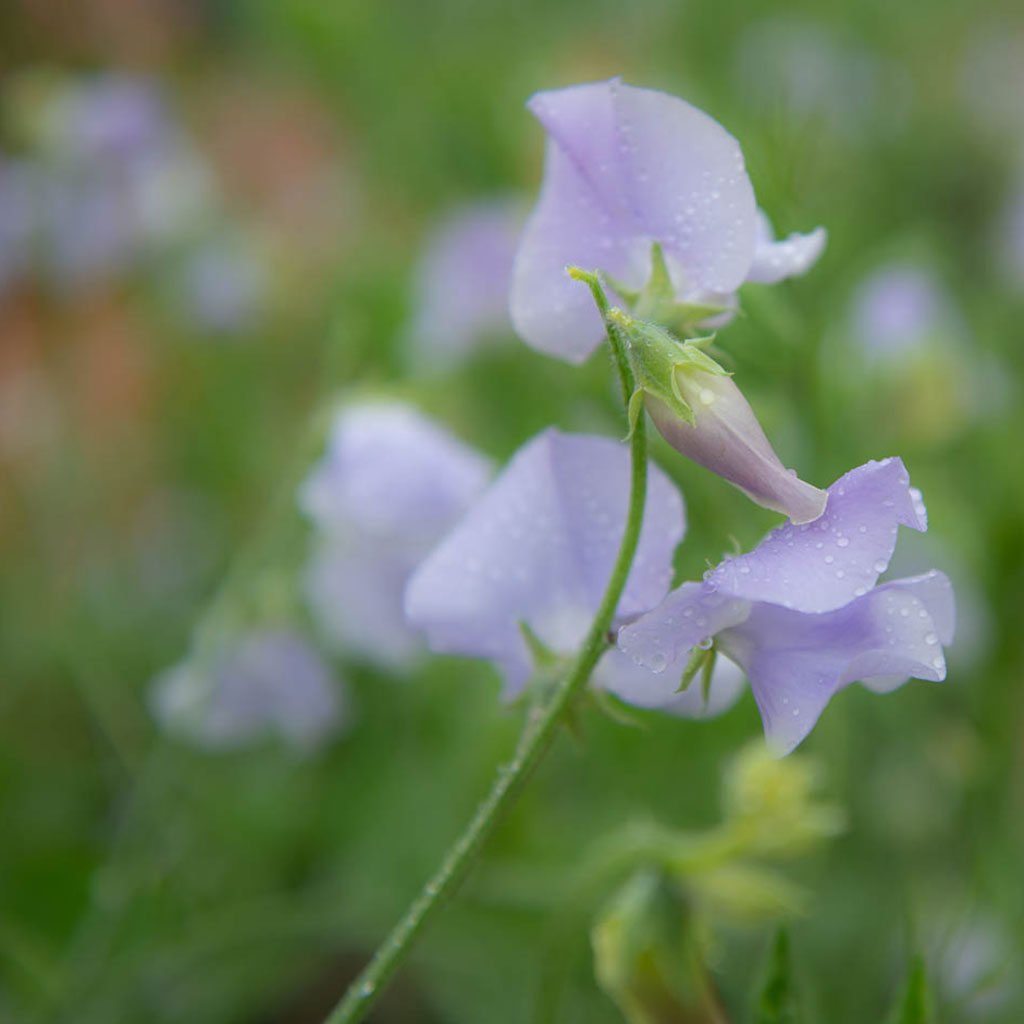
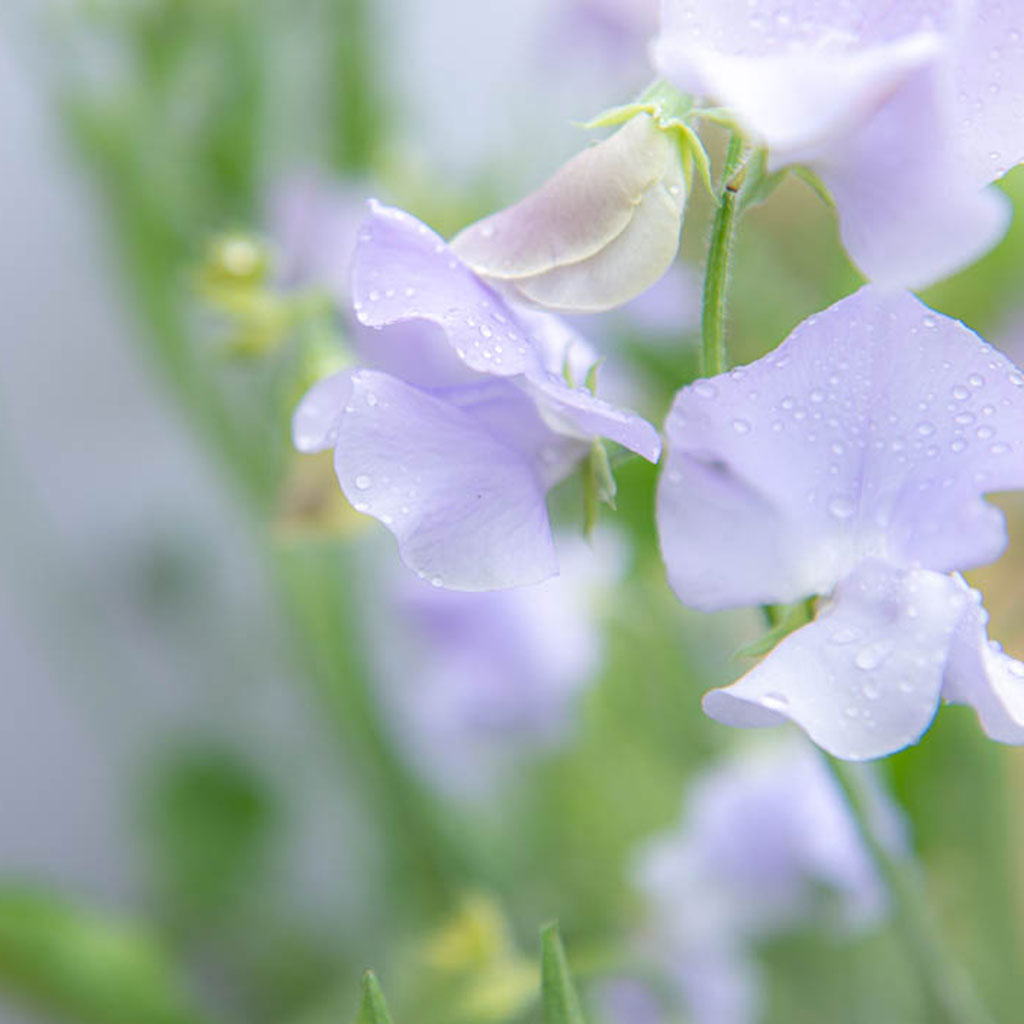
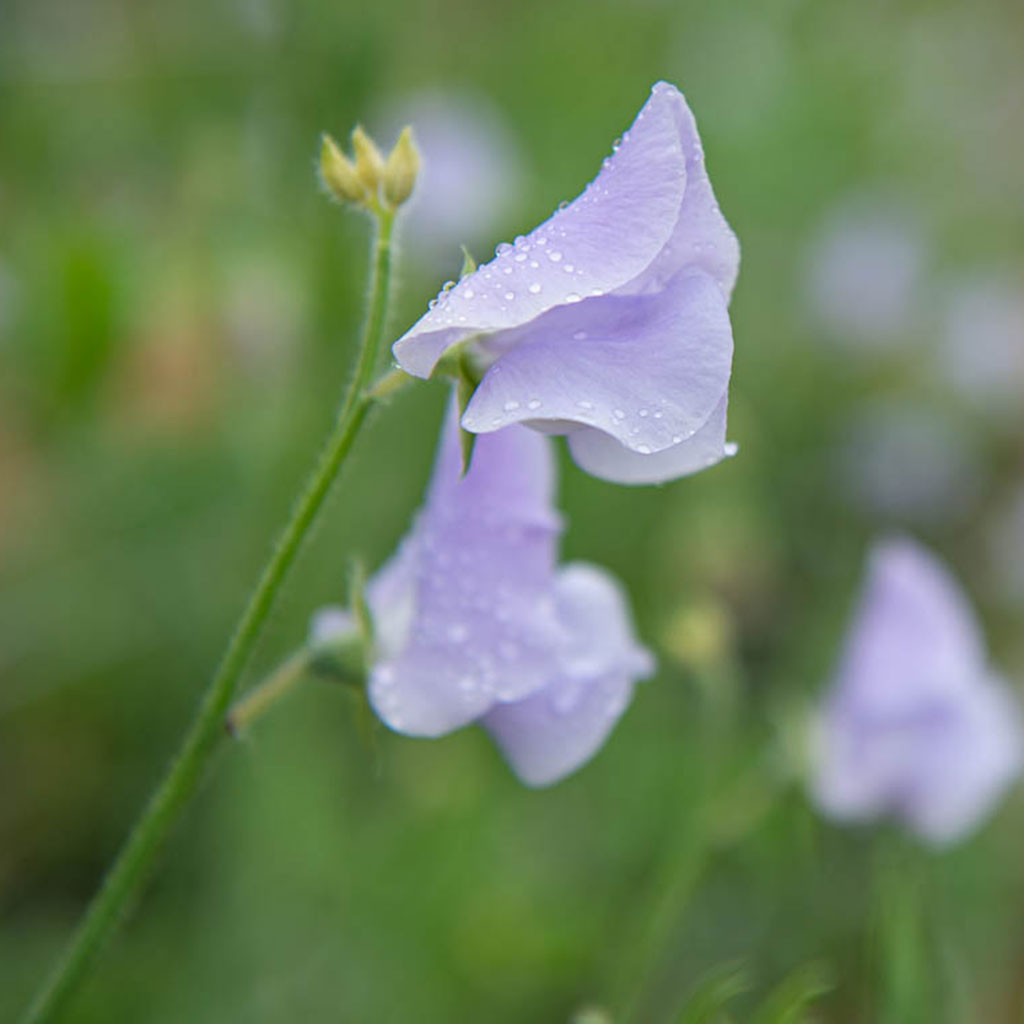
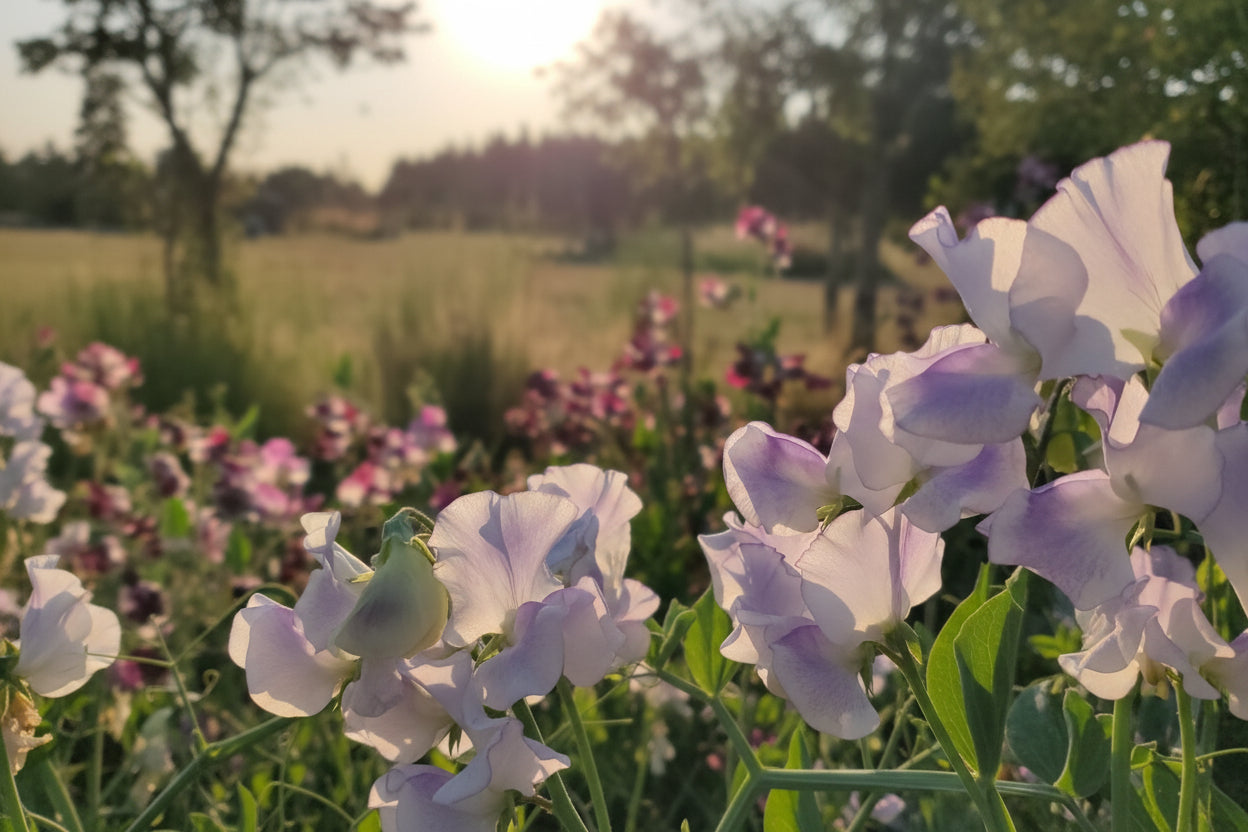
- Color Profile: Pale blue
- Fragrance: Moderate and pleasing
- Breeder: Dr. Keith Hammett / Mr. Fothergill's
- Year Introduced: 2010 (originally as 'Crystal') / 2013 (as 'Chelsea Centenary')
- Flowering Type: Summer-flowering (Long-day)
Overview
Bred by the acclaimed New Zealand plant geneticist Dr. Keith Hammett, this exquisite cultivar is cherished for its soft, serene pale blue blossoms. Showcasing the beautifully ruffled, wavy petals characteristic of the Spencer class, it produces substantial flowers on generously proportioned stalks. It is a remarkable choice for growers and designers looking to incorporate tranquil, cool pastel tones into their floral arrangements or garden spaces.
Growth Habit
Operating as a true Spencer type, this highly energetic vine requires robust vertical trellising to accommodate its tall, vigorous climbing nature. It is highly valued for generating the long, strong stems necessary for premium cut flower production. Because it falls into the summer-blooming category, it relies heavily on the prolonged daylight hours of the season—typically requiring twelve hours or more of direct sun—to successfully initiate its heavy flowering phase.
Cultivation Notes
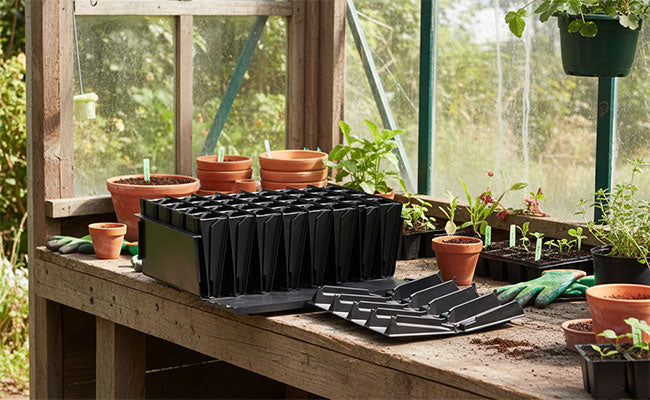
To guarantee the deepest and healthiest root development, always initiate your seeds in tall, narrow cells or rootrainers rather than shallow flats. When the young vines reach approximately four to six inches in height, carefully snip off the main growing tip. This critical pruning step forces the plant to send out multiple robust lateral branches from its base, ultimately giving you a much sturdier and higher-yielding plant.
Because ideal planting windows vary drastically based on your local climate, be sure to use our Custom Zip-Code Planting Tool to identify the optimal sowing week for your specific region. (Note: Sweet pea seeds are toxic if ingested, so always exercise caution when planting around children and pets).
Historical Notes
The nomenclature of this beautiful blue sweet pea contains a fascinating piece of modern horticultural history. Dr. Keith Hammett originally developed this variety in 2010, where it was known in the trade under the name 'Crystal'. Three years later, in 2013, the prominent seed company Mr. Fothergill's officially introduced the exact same genetic stock to the wider commercial market under the name 'Chelsea Centenary', a commemorative title celebrating the 100th anniversary of the world-famous Chelsea Flower Show.
In the Garden
‘Chelsea Centenary’ is frequently grown for:
- Providing premium, long-stemmed pale blue cuts for professional floristry
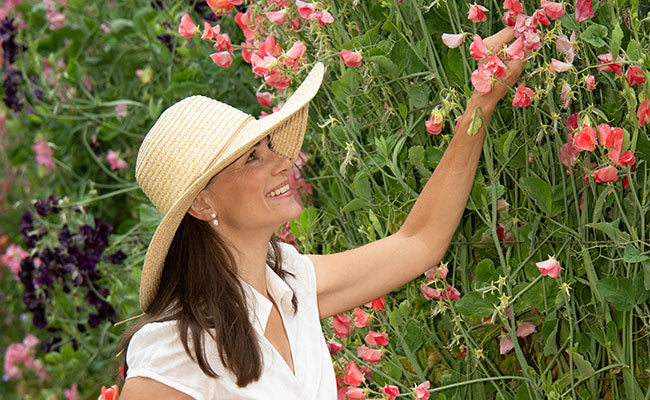
- Bringing vigorous vertical growth and calming pastel colors to garden trellises
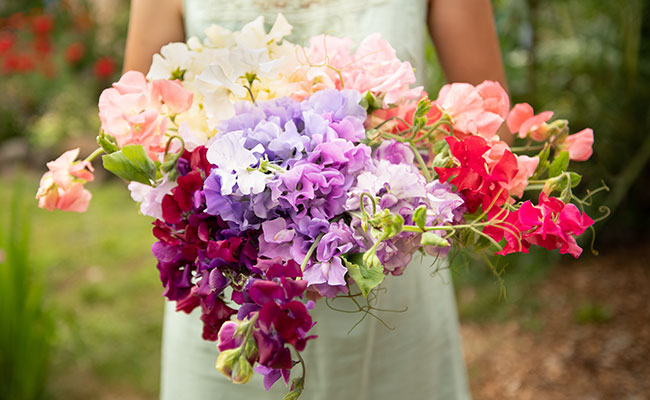
- Adding elegant, ruffled textures to mixed seasonal bouquets
Companion Planting Notes
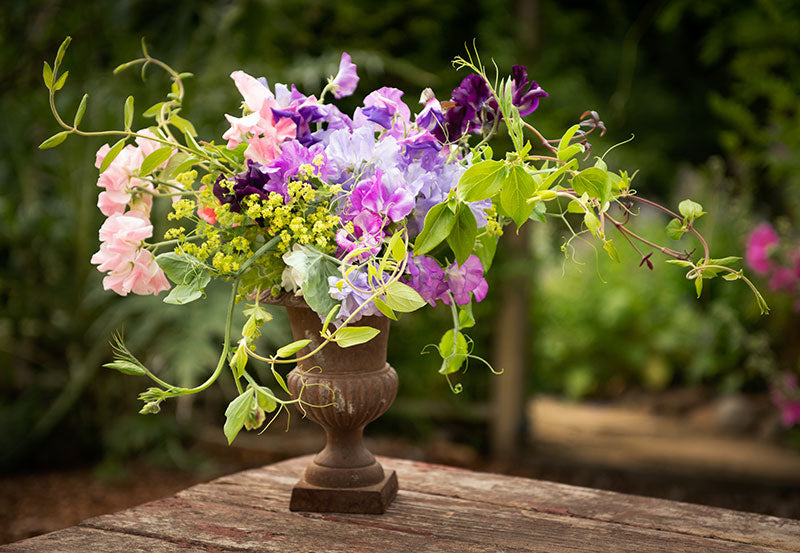
The soothing pale blue shades of this cultivar provide a magnificent visual contrast when placed next to crisp white or creamy yellow sweet peas (such as 'Jilly'). For a highly textured and ethereal floral arrangement, these soft blue blooms look incredibly striking when styled alongside classic, airy fillers such as creeping baby's breath (Gypsophila repens) or the flat, lace-like heads of wild carrot (Daucus carota).